

The Art of Abstraction: Your Complete Guide to Choosing the Perfect Abstract Painting for Your Living Room
Abstract art occupies a unique space in the world of interior design. Unlike landscapes that transport you to distant places or portraits that introduce human presence, abstract paintings operate on a different plane entirely. They speak in the language of color, form, texture, and emotion—a visual poetry that bypasses literal interpretation and connects directly with feeling and intuition. For the living room, where we gather, converse, relax, and express our personal style, abstract art offers unparalleled versatility and impact.
Yet this very openness that makes abstract art so appealing can also make it intimidating. Without recognizable subjects to guide you, how do you know if a piece is "right"? How do you choose between a bold color field painting and a gestural expressionist work? What makes one abstract painting museum-worthy while another feels like it could have been created by accident? This comprehensive guide will demystify the process of selecting abstract paintings for your living room, helping you make confident choices that transform your space and resonate with your aesthetic sensibilities.


Understanding Abstract Art: A Brief Journey Through Styles
Abstract art isn't a monolithic category—it encompasses numerous movements, styles, and philosophies developed over more than a century. Understanding these distinctions helps you identify what speaks to you and articulate your preferences when shopping.
Abstract Expressionism emerged in post-World War II America, championed by artists like Jackson Pollock, Willem de Kooning, and Franz Kline. These works are characterized by gestural brushstrokes, energetic mark-making, and a sense of spontaneous creation. The paintings feel alive with movement and emotion. In a living room, Abstract Expressionist works create dynamic focal points that energize the space and invite contemplation of the creative process itself. They work beautifully in contemporary and industrial interiors where their raw energy complements clean lines and modern materials.
Color Field Painting represents the contemplative cousin of Abstract Expressionism. Artists like Mark Rothko, Helen Frankenthaler, and Barnett Newman created large canvases dominated by expanses of color with minimal gestural marks. These paintings invite meditation and emotional response to pure color relationships. In living rooms, Color Field works establish mood profoundly—a Rothko-inspired piece in deep burgundies and blacks creates intimate, contemplative atmosphere, while one in soft pinks and oranges brings warmth and serenity. These paintings excel in spaces designed for reflection and meaningful conversation.
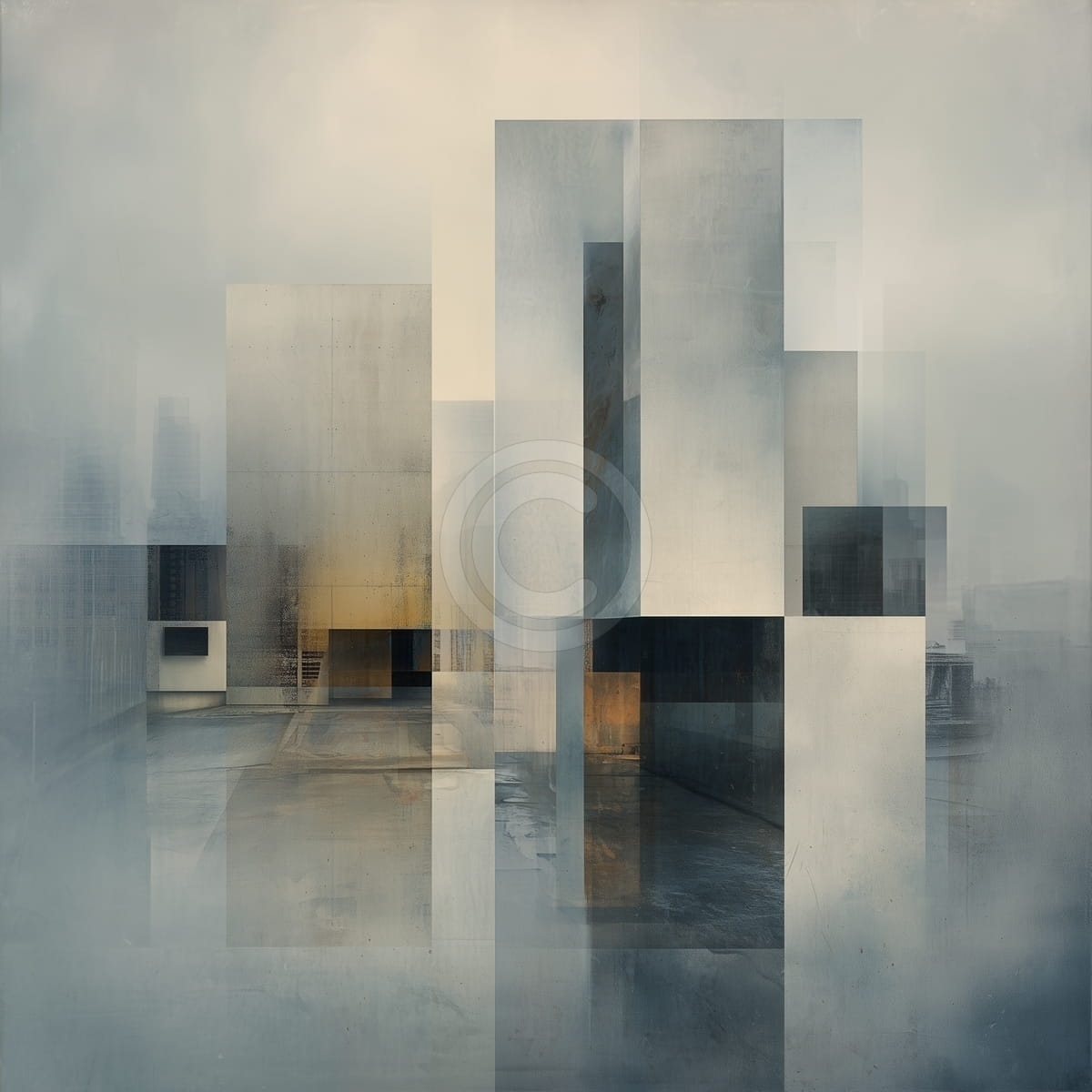
Geometric Abstraction embraces structure, featuring precise shapes, clean lines, and carefully considered compositions. Artists like Piet Mondrian, Kazimir Malevich, and Josef Albers explored how geometric forms and color relationships create visual harmony or tension. For living rooms, geometric abstracts bring order and sophistication. They're ideal for modern and mid-century modern spaces where their structured approach echoes furniture lines and architectural elements. These pieces feel decidedly contemporary and intellectual.
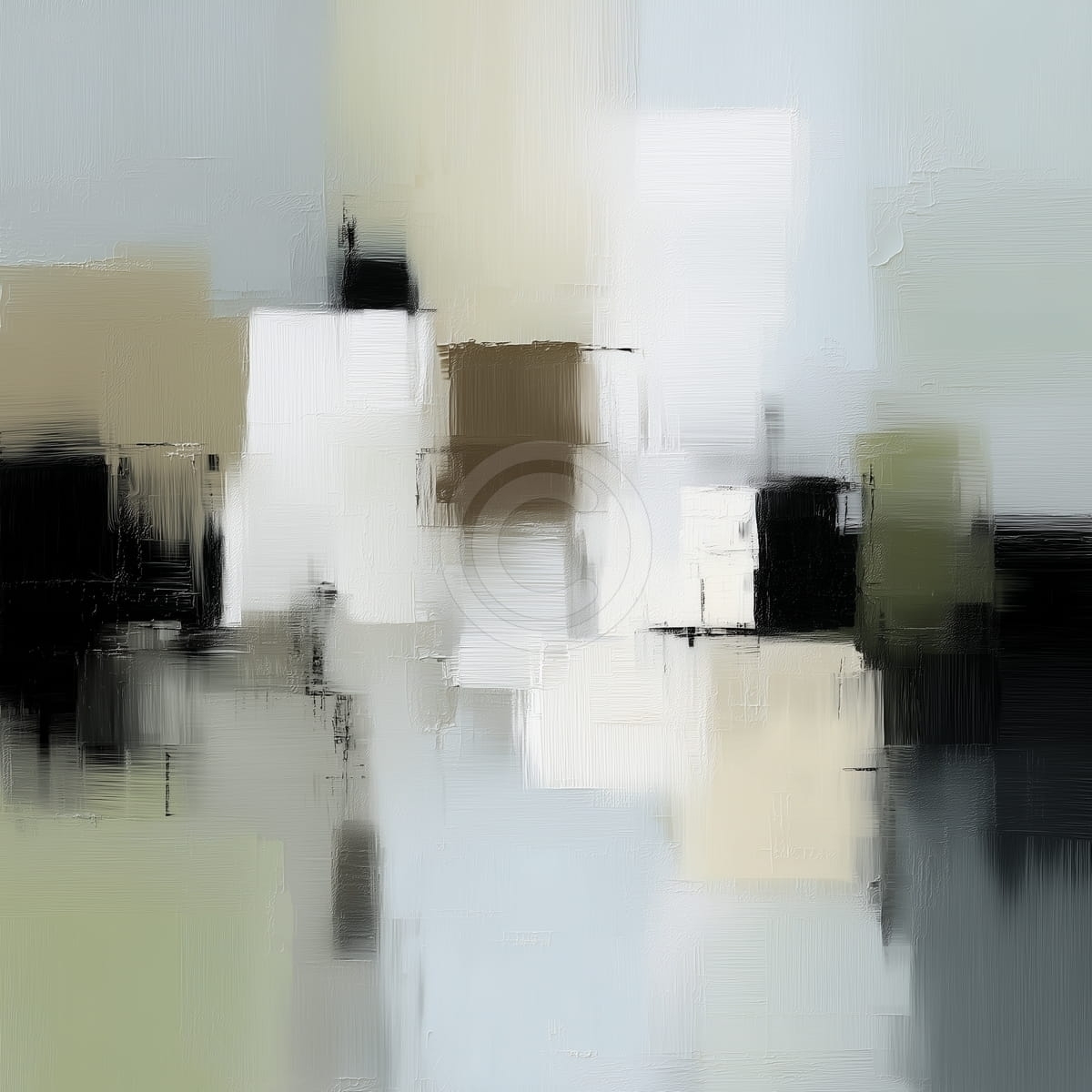
Minimalist Abstraction strips away all but the essential. These paintings might feature a single color, a subtle gradation, or the most restrained mark-making. Artists like Agnes Martin created works of extraordinary subtlety that reward patient viewing. In living rooms, minimalist abstracts provide breathing room and calm. They're perfect for spaces that embrace negative space and simple living, complementing Scandinavian, Japanese-inspired, or contemporary minimalist interiors.
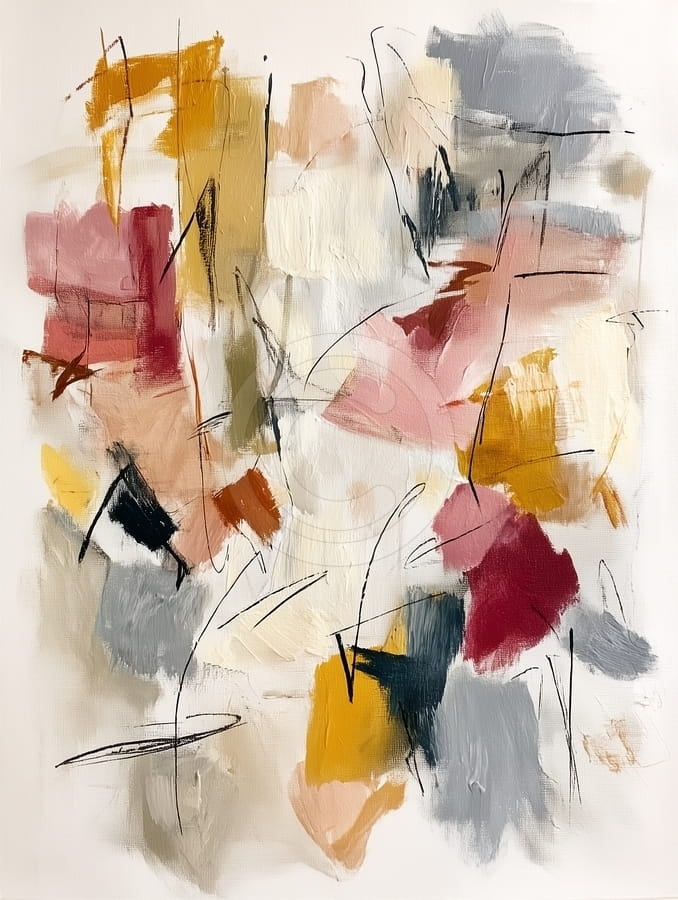
Lyrical Abstraction and Abstract Impressionism occupy middle ground, combining gestural freedom with more harmonious color palettes and softer edges than traditional Abstract Expressionism. These paintings feel more decorative and accessible while maintaining artistic integrity. They work wonderfully in transitional spaces that blend traditional and contemporary elements, and in rooms where you want visual interest without overwhelming energy.
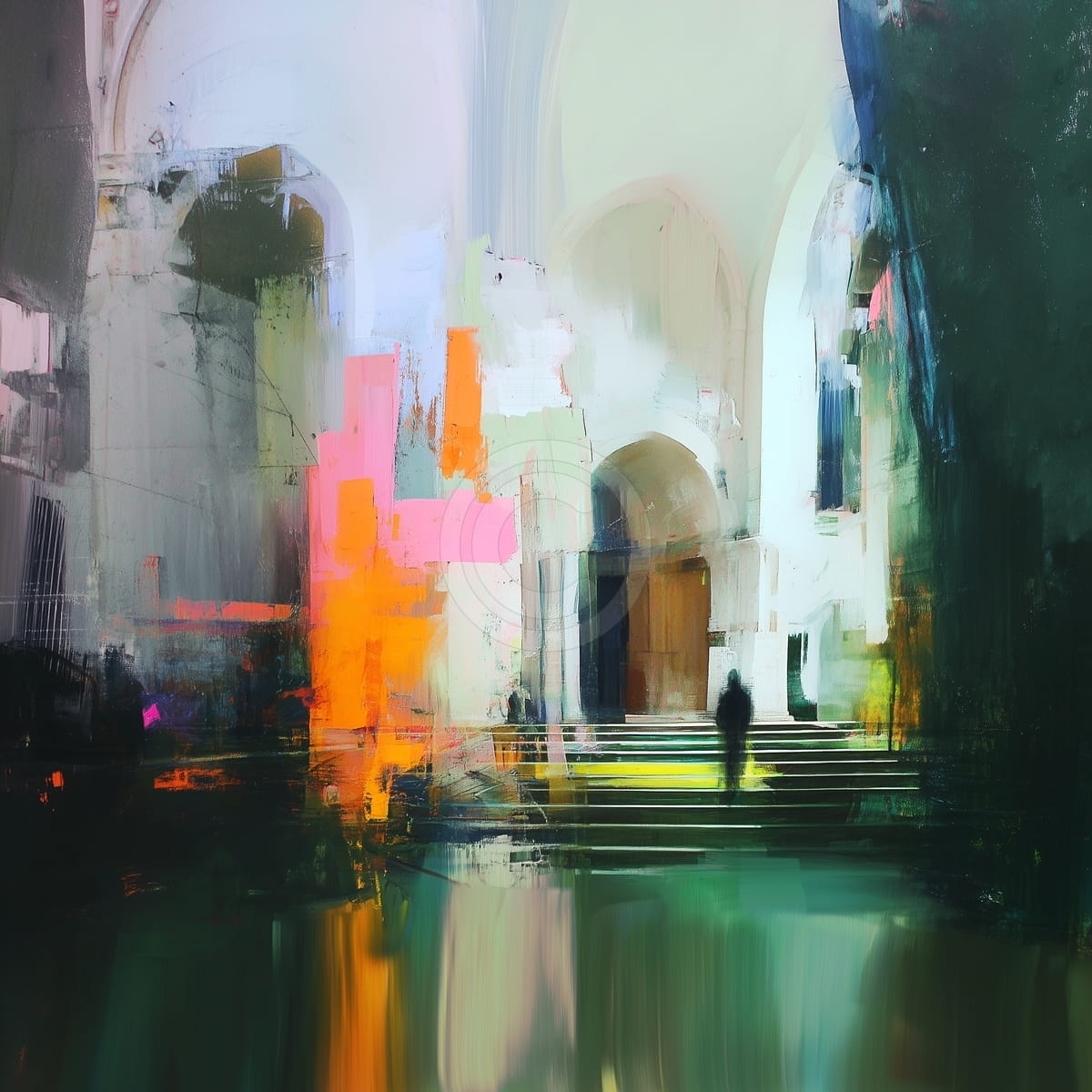
Contemporary Abstract encompasses current artists working in abstract modes, often combining techniques and influences from various movements. These works might incorporate mixed media, unusual materials, or digital elements. They bring cutting-edge energy to living rooms and reflect current artistic conversations.
The Psychology of Abstract Art: Why It Works in Living Rooms
Abstract paintings possess unique qualities that make them particularly suited to living room environments. Understanding these advantages helps explain their enduring popularity in residential spaces.
Versatility tops the list. Without depicting specific subjects, abstract paintings adapt to various decorative contexts. A landscape painting depicting autumn foliage might clash with spring decor, but an abstract with warm oranges and reds works year-round. This flexibility means your painting investment remains relevant even as you update other design elements.
Emotional ambiguity allows different viewers to connect with the work in personal ways. Where a portrait might evoke the same response from everyone, an abstract invites individual interpretation. Your guests might see different things in the same painting—some perceive landscapes, others see pure emotion, still others focus on formal qualities like composition and color relationships. This multiplicity makes abstract art endlessly conversational.
Color flexibility gives abstract paintings tremendous power to unify or energize color schemes. Because abstracts often incorporate multiple hues, you can pull different colors for emphasis at different times. Your painting might echo sofa blues, pillow yellows, and rug grays simultaneously, creating cohesion without matching exactly.
Timelessness characterizes quality abstract work. While representational art can feel dated by costume, architecture, or style markers, abstract paintings transcend temporal specificity. A well-executed abstract from decades ago often feels as contemporary as one painted yesterday, making it a wise long-term investment.
Spatial effects emerge from abstract compositions in ways representational art rarely achieves. Color field paintings can make walls seem to recede or advance. Gestural abstracts create movement that enlivens static spaces. Geometric works establish rhythm and structure that organize visual perception of the entire room.
Choosing Colors: The Foundation of Your Selection
Color selection might be the single most important decision when choosing an abstract painting. Unlike representational works where subject matter shares importance with palette, abstract paintings are fundamentally about color relationships and their emotional effects.
Monochromatic abstracts use variations of a single hue—perhaps ranging from pale blush to deep burgundy, or from ice blue to navy. These paintings bring sophisticated subtlety to living rooms. They work beautifully in spaces where you want visual interest without introducing new colors to your palette. A monochromatic abstract adds texture, depth, and focal interest while maintaining color discipline. Consider this approach if your living room already has strong colors in furniture or textiles and you want art that enhances rather than competes.
Analogous color schemes use colors adjacent on the color wheel—blues and greens, reds and oranges, yellows and greens. These harmonious combinations feel naturally cohesive and soothing. Analogous abstracts work wonderfully in living rooms designed for relaxation and easy conversation. They're less likely to provoke strong reactions than contrasting color schemes, making them excellent choices if household members have divergent tastes.
Complementary colors sit opposite each other on the color wheel—blue and orange, red and green, yellow and purple. These combinations create vibrant tension and energy. Complementary abstracts make bold statements and energize neutral spaces dramatically. If your living room feels bland or lifeless, a complementary color abstract injects immediate vitality. However, these high-contrast works can feel overwhelming in smaller spaces or rooms that already have visual complexity.
Warm palettes featuring reds, oranges, yellows, and warm browns create cozy, energizing, social atmospheres. These paintings advance visually, making them feel present and engaging. Choose warm abstracts for north-facing rooms that receive cool natural light, or for living rooms where you want to encourage lively interaction and conversation. Warm abstracts work beautifully in transitional and traditional interiors where they enhance wood furniture and rich textiles.
Cool palettes dominated by blues, greens, purples, and cool grays establish calm, contemplative moods. These colors recede visually, creating sense of space and serenity. Cool abstracts excel in south-facing rooms flooded with warm sunlight, balancing the space's natural temperature. They're ideal for living rooms designed as retreats from busy lives—spaces for reading, meditation, or quiet conversation.
Neutral abstracts in whites, blacks, grays, taupes, and beiges offer maximum flexibility. Don't dismiss these as boring—the best neutral abstracts achieve remarkable complexity through texture, layering, and subtle color variations. Neutral abstracts work in literally any color scheme and any style from ultramodern to traditional. They're perfect if you frequently change your decor or if multiple people with different preferences share the space.
Vibrant multi-color abstracts incorporating many hues across the spectrum make the boldest statements. These paintings become room centerpieces, with all other design elements supporting players. Multi-color abstracts work beautifully in predominantly neutral rooms where they provide all the color interest needed, or in eclectic spaces that celebrate pattern and hue variety. They require confidence—these aren't paintings that fade into the background—but when successful, they transform ordinary living rooms into extraordinary spaces.
Scale and Composition: Finding the Right Proportions
The physical dimensions and internal composition of an abstract painting profoundly affect its impact in your living room.
Oversized single panels make powerful, unambiguous statements. A six-by-eight-foot abstract commands attention and anchors an entire wall. These works function almost architecturally, becoming structural elements rather than mere decorations. Oversized abstracts work best in spacious living rooms with high ceilings and generous wall space. They're particularly effective above substantial sofas or in spaces where you want a single, dramatic focal point. The advantage of oversized pieces lies in their immersive quality—viewers feel enveloped by the colors and forms rather than simply observing them.
Diptychs and triptychs offer the impact of large scale with compositional variety. Two or three panels create expansive displays while introducing negative space between panels that becomes part of the design. Multi-panel abstracts provide flexibility—you can hang panels with narrow gaps for unity or wider spacing for contemporary gallery aesthetics. They're excellent solutions for walls interrupted by doorways or windows, where a single large canvas wouldn't fit properly. The spatial relationships between panels add dimensionality and rhythm to wall composition.
Square formats bring balance and stability. Neither vertical nor horizontal dominance creates a sense of equilibrium that works wonderfully in spaces seeking harmony. Square abstracts suit modern and contemporary interiors particularly well, as the format itself feels contemporary and intentional. They work beautifully hung individually or in grids of multiple squares.
Vertical orientations draw the eye upward, making rooms feel taller and more spacious. Vertical abstracts work particularly well flanking windows or doorways, in narrow wall spaces, or where you want to emphasize ceiling height. They're also ideal for creating intimacy in rooms with soaring ceilings—a pair of tall vertical abstracts can visually bring height down to a more human scale.
Horizontal orientations emphasize width and establish calm, stable feelings. Most living room wall space above sofas is horizontal, making these formats practical for common placement scenarios. Horizontal abstracts can make narrow rooms feel wider and work beautifully in mid-century modern and contemporary spaces where they echo the horizontal lines of platform sofas and low furniture.
Composition matters as much as external dimensions. An abstract with a strong focal point—perhaps an intense color area or dense mark-making—creates a bulls-eye effect that draws viewers to a specific location. These work well as conversation pieces where you want something that commands attention. Alternatively, an all-over composition with relatively even interest across the entire canvas creates a more democratic viewing experience where the eye travels continuously across the surface. All-over compositions often feel more calming and work well in spaces designed for relaxation.
Texture and Medium: The Tactile Dimension
Abstract paintings invite close inspection of surface quality in ways representational art often doesn't. The physicality of paint application—its thickness, texture, and materiality—becomes content itself.
Impasto technique involves applying paint so thickly that brushstrokes and palette knife marks remain visible and three-dimensional. These highly textured surfaces catch light dramatically, changing appearance throughout the day as natural light shifts. Impasto abstracts bring tremendous energy and obvious handcraft to living rooms. They reward close viewing, inviting you to examine the artist's process and the paint's physicality. These works feel particularly alive and suit spaces where art appreciation is valued. The texture creates visual interest even in monochromatic pieces.
Smooth, flat applications create entirely different effects. Color field paintings often use thinned paint soaked into canvas, creating soft, luminous surfaces without visible brushwork. These ethereal paintings seem to glow rather than sit on the wall. Smooth abstracts feel contemplative and refined, working beautifully in minimalist and contemporary spaces where surface quality is carefully controlled throughout the room.
Mixed media abstracts incorporate materials beyond paint—perhaps collage elements, metal leaf, fabric, sand, or found objects. These works add dimensional variety and conceptual depth, as material choices often carry meaning. Mixed media abstracts work wonderfully in eclectic and bohemian living rooms where layering and variety are celebrated design principles. They're excellent conversation starters because viewers can explore not just visual but also material relationships.
Acrylic versus oil presents meaningful choices. Acrylic paintings offer brilliant color saturation and quick drying that allows layering and experimentation. Colors remain vibrant and true over time. Oil paintings provide subtle color depth and blending possibilities that many find unmatched. Oils can yellow slightly with age, developing a warm patina some collectors prize. For living rooms, either medium works beautifully—choose based on the specific painting's qualities rather than medium prejudice.
Canvas versus panel versus paper affects both appearance and price. Canvas remains the traditional support, offering slight flexibility and characteristic texture. Panels provide rigid, smooth surfaces ideal for certain techniques. Paper supports, while less common for large works, offer unique absorption qualities. Each support influences the final appearance in subtle but meaningful ways.






Matching Abstract Art to Interior Design Styles
While abstract art's versatility means it can work in virtually any space, certain abstract styles naturally complement specific interior design approaches.
Modern and contemporary interiors embrace abstract art as a natural companion. Clean-lined furniture, minimalist decoration, and architectural emphasis create perfect backdrops for abstracts to shine. Geometric abstracts with bold colors and precise forms echo modern design principles. Large-scale color field works complement the open, uncluttered spaces characteristic of contemporary design. Even gestural abstracts work beautifully by providing organic contrast to modern interiors' rigid geometry.
Mid-century modern spaces benefit from abstracts created during or inspired by the 1940s-1960s. Think warm color palettes, organic forms, and a certain optimistic energy. Abstract expressionist works or atomic-age inspired geometric abstracts feel authentic to the period while remaining visually exciting. The key is avoiding abstracts that feel too contemporary or digital—aim for works with analog warmth.
Traditional and transitional interiors might seem unlikely candidates for abstract art, but thoughtfully chosen pieces work beautifully. The key lies in selecting abstracts with classical color palettes—perhaps analogous earth tones or sophisticated neutrals—and potentially opting for frames that connect with traditional architectural details. Abstract impressionist works with softer edges and harmonious colors bridge traditional and contemporary beautifully. The contrast between traditional furniture and abstract art creates dynamic visual interest that elevates both elements.
Scandinavian and minimalist spaces call for restrained abstracts that honor negative space and simple living principles. Minimalist abstracts with limited palettes, monochromatic works, or subtle color field paintings complement these interiors perfectly. The art provides visual interest without contradicting the design philosophy of intentional simplicity.
Industrial lofts and urban spaces can handle bold, large-scale abstract expressionist works. The raw energy of gestural painting complements exposed brick, concrete floors, and metal fixtures beautifully. These spaces often have the generous proportions and ceiling height to accommodate dramatic abstracts that might overwhelm smaller, more traditional rooms.
Bohemian and eclectic interiors celebrate variety and personal expression, making them perfect for virtually any abstract style. Mix geometric and gestural, combine different eras and influences, layer color and pattern fearlessly. In these spaces, abstract art joins a conversation rather than dominating it, contributing to the collected-over-time feeling that defines successful bohemian design.
Coastal and beach-inspired rooms benefit from abstracts incorporating blues, greens, sandy neutrals, and whites. These don't need to depict water literally—abstract works suggesting water's movement, light quality, or color palette create sophisticated coastal feeling without literal seashell-and-driftwood territory. Color field works in oceanic blues or gestural pieces suggesting wave movement work beautifully.
The Emotional Impact: Choosing Based on Feeling
Beyond all technical and aesthetic considerations lies the most important question: How does the painting make you feel? Abstract art connects with viewers emotionally in immediate, visceral ways that bypass intellectual analysis.
Energizing abstracts feature bold colors, dynamic compositions, and visible gestural movement. These paintings create excitement and stimulate conversation. Choose energizing abstracts for living rooms designed for social gathering, where you want to encourage lively interaction. These works pair well with entertaining spaces and homes of extroverted individuals who thrive on stimulation.
Calming abstracts use cool colors, gentle gradations, and harmonious compositions. They slow visual movement and encourage contemplation. Select calming abstracts for living rooms serving as sanctuary spaces—places to unwind after stressful days, read quietly, or have intimate conversations. These works suit introverts and anyone seeking refuge from overstimulating modern life.
Mysterious abstracts incorporate dark colors, complex layering, or ambiguous forms that invite extended viewing. These paintings reveal new aspects over time, rewarding patient attention. Choose mysterious abstracts if you value depth and complexity, if you enjoy art that poses questions rather than providing answers, or if you want a painting that grows with you over years.
Joyful abstracts burst with bright colors, playful forms, or exuberant mark-making. These paintings smile at you, lifting mood and spreading optimism. Select joyful abstracts for family living rooms, spaces that celebrate life's pleasures, or anywhere you want to counteract difficult external circumstances with deliberate positivity.
Contemplative abstracts feature subtle color relationships, refined compositions, and quality that reveals itself slowly. These paintings reward meditation and careful attention. Choose contemplative abstracts if you value quiet sophistication, if you practice mindfulness, or if you want art that encourages rather than demands attention.
Practical Considerations: Budget, Authenticity, and Sourcing
The practical aspects of acquiring abstract art deserve careful consideration alongside aesthetic factors.
Original paintings from established artists represent significant investments, often starting at several thousand dollars and reaching six or even seven figures for prominent names. However, originals bring unique qualities—actual texture, authentic brushwork, investment potential, and the satisfaction of supporting living artists. If budget allows, originals are always preferable. Emerging artists offer more accessible entry points to original art—you might find excellent abstracts from talented unknowns for $500-$3,000. Local galleries, art school exhibitions, and studio visits provide opportunities to discover emerging talent.
Giclée prints on canvas offer high-quality reproductions at accessible prices, typically $100-$500 for large sizes. Modern printing technology produces remarkable color accuracy and detail. Gallery-wrapped printed canvases, where the image continues around edges, look remarkably like originals from a distance. The lack of texture and the knowledge that many identical copies exist reduces the special quality that makes art collecting meaningful for many people. However, if your priority is simply having beautiful abstract imagery in your living room, high-quality prints serve excellently.
Commissioned works let you collaborate with artists to create exactly what you envision. Commissions work wonderfully when you have specific color requirements, size needs, or want to incorporate meaningful personal elements into an abstract work. The process requires patience—expect 4-12 weeks typically—and clear communication about expectations, budget, and creative freedom. Discuss whether you'll receive progress photos and how many revision rounds are included. Commission costs vary enormously based on artist reputation and work scale, but emerging artists often charge $1,000-$5,000 for substantial living room pieces.
Online marketplaces including Saatchi Art, Artsy, Etsy, and Artfinder connect buyers directly with artists worldwide. These platforms democratize art access, offering tremendous variety at all price points. The challenge lies in assessing quality from photographs—colors may not be accurate, texture is invisible, and scale is difficult to judge. Always request detailed photos, read reviews carefully, and understand return policies. Many platforms now offer augmented reality tools letting you visualize artworks in your actual space through your phone camera—use these features.
Art fairs and open studio events provide opportunities to see many artworks in person and meet artists directly. These events offer the advantage of comparison shopping and immediate availability. You can ask artists about their process, materials, and inspiration, adding layers of meaning to your eventual purchase. Fair and studio prices often run lower than gallery prices since there's no middleman markup.
Auctions and estate sales sometimes yield remarkable abstract paintings at below-market prices, though this requires knowledge and luck. Study auction catalogs carefully, research artists before bidding, and set strict spending limits. Remember that auction prices can escalate quickly, and buyer's premiums add 15-25% to hammer prices. Estate sales might offer discovered treasures—unknown artists whose work nonetheless resonates aesthetically.
Evaluating Quality: What Separates Good from Great
Not all abstract paintings demonstrate equal artistic merit. Developing an eye for quality helps you make selections you'll value long-term.
Intentionality versus id_productness distinguishes meaningful abstracts from accidental-looking messes. Quality abstracts show evidence of artistic decision-making—deliberate color choices, considered compositional structure, and controlled execution even when the surface appears spontaneous. The painting should feel purposeful rather than haphazard. Ask yourself: Does this feel like the artist knew what they were doing, or does it look like accidents happened?
Color relationships matter enormously. Quality abstracts demonstrate sophisticated color understanding—hues that enhance each other, careful attention to value (lightness/darkness) relationships, and thoughtful color temperature balancing. Colors should feel inevitable, as if no other combination would work as well. Be suspicious of abstracts where colors seem arbitrary or appear to have been chosen simply because the tubes were available.
Compositional structure provides invisible scaffolding. Even abstracts without recognizable subjects benefit from underlying organizational principles—perhaps subtle symmetry, strategic placement of visual weight, or rhythmic repetition. Your eye should move through the painting in satisfying ways rather than getting stuck or finding no entry point. Quality abstracts guide viewing experiences even when that guidance feels invisible.
Technical execution reveals itself in edge quality, layer relationships, and surface handling. Paint should be applied purposefully, whether thickly or thinly. Edges—where colors meet—should show control. Layering should appear intentional, with earlier layers contributing to final effects rather than being merely covered over. While "messy" gestural abstracts can be excellent, they should show controlled messiness rather than incompetent execution.
Presence distinguishes memorable abstracts from forgettable ones. Quality works command attention and create atmosphere even before you analyze why. The painting should feel alive, as if it has something to communicate. Trust your gut reaction—if a painting makes you stop and truly look, it probably has genuine quality regardless of whether you ultimately choose it for your space.
Installation and Display: Maximizing Impact
Proper installation ensures your carefully chosen abstract achieves its full potential in your living room.
Height matters critically. The standard recommendation places art center at 57-60 inches from the floor—average eye level. However, furniture affects this calculation. Above sofas, leave 6-10 inches between furniture top and painting bottom. If your living room features high ceilings, you might position art slightly higher than standard to relate properly to the room's proportions, but avoid hanging so high that viewing requires uncomfortable neck craning.
Lighting transforms abstract paintings dramatically. Natural light brings colors alive but can cause fading, especially with direct sun exposure. Consider UV-filtering window treatments if your painting will receive significant sunlight. For artificial lighting, directional picture lights create dramatic illumination but can produce glare on glossy surfaces. Track lighting offers flexibility, allowing you to adjust angles and intensity. Many designers recommend installing dimmers, letting you modulate lighting for different times of day and moods. LED bulbs with high color rendering index (CRI above 90) show colors most accurately.
Wall color interacts powerfully with abstract art. White or light neutral walls let paintings shine without competition—the art becomes the color statement. Dark walls create dramatic contrast and can make colorful abstracts pop spectacularly, though they require careful lighting to prevent the painting from getting lost in shadow. Colored walls create complex relationships—a blue-green abstract against taupe walls reads differently than against white or charcoal. If possible, test paint samples while holding your painting against them before committing to wall color.
Spatial relationships with furniture require attention. Your abstract shouldn't compete with patterned upholstery or battle complex coffee tables for attention. If your furniture features bold patterns or colors, choose abstracts that complement rather than clash. Conversely, if your furniture is neutral, your abstract can be bold without creating visual chaos. Ensure adequate sight lines—position seating so the painting can be comfortably viewed without awkward head turning.
Solo or grouping? Most abstract paintings work best displayed individually as focal points, especially large-scale works. However, smaller abstracts can be grouped effectively, either in formal grids or salon-style arrangements. If grouping, ensure paintings relate through color, style, or scale. Too much variety in a grouping creates chaos. Consider whether you want your abstracts to dominate as the room's primary statement or function as one element among equals.
Living With Abstract Art: Long-Term Satisfaction
The true test of an abstract painting purchase comes not in the initial excitement but in years of daily viewing. Certain strategies increase the likelihood of long-term satisfaction.
Choose paintings that reveal slowly rather than giving everything immediately. The most enduring abstracts contain subtleties that emerge over time—undertones you didn't notice initially, compositional relationships that become apparent gradually, color interactions that shift with changing light. Paintings that make their statement too obviously often lose interest quickly. Look for work with layers—literally in the paint application and figuratively in visual complexity.
Consider how the painting might change with different life circumstances. Will this abstract work if you move to a different home? Would it suit different furniture or color schemes? While you can't predict everything, choosing abstracts with some flexibility increases the odds they'll remain relevant through life changes. This argues for quality, relatively sophisticated pieces rather than highly trendy works closely tied to current design fads.
Rotate or refresh viewing contexts occasionally. Try different lighting, or if you have multiple spaces, consider occasionally moving your abstract to a different room. Fresh contexts can renew your appreciation and reveal qualities you'd stopped noticing. Even simply cleaning the painting and adjusting its height slightly can refresh your relationship with it.
Learn about your painting and artist. Understanding the creative process, the artist's intentions, or the techniques employed adds layers of meaning that deepen satisfaction. If you bought directly from an artist, stay connected—seeing their work evolve helps you appreciate your piece's place in their development. This intellectual connection complements emotional response.
Share your art with visitors and discuss your responses. Hearing others' interpretations often reveals aspects you hadn't considered. Abstract art's openness to multiple readings makes it wonderfully conversational. The painting becomes not just decoration but a catalyst for meaningful exchanges.
The Transformation Awaits
Choosing the perfect abstract painting for your living room represents more than a decorating decision—it's an act of self-expression and a commitment to living with beauty and intention. Abstract art brings sophistication, emotional resonance, and visual interest that elevates everyday life. It demonstrates that you value creativity, that you're willing to embrace the non-literal and the emotionally immediate.
The perfect abstract for your living room already exists, whether hanging in a gallery, being created in an artist's studio, or waiting to be discovered at an art fair. Your task involves clarifying what you respond to—which colors move you, which compositions feel right, which emotional tones suit your space and personality. Trust your instincts while applying the knowledge you've gained. Visit galleries and open studios. Browse online platforms and save images that speak to you, analyzing what they share in common.
When you find the right piece—and you'll recognize it when you see it—you'll have acquired not just wall decoration but a daily source of inspiration, contemplation, and joy. Your living room will transform from merely functional space into a curated environment reflecting your values and aesthetic sensibilities. The abstract painting you choose becomes part of your life's backdrop, present during important conversations, quiet mornings, celebrations, and ordinary evenings. It marks this period of your life while remaining relevant for years to come.
Abstract art asks nothing of you except openness and attention. It offers in return an inexhaustible source of visual pleasure and emotional resonance. Your living room deserves this gift, and so do you.